Many projects do not fail because the core technology is weak. They fail where responsibilities, data, equipment and decisions cross organisational boundaries. A new platform may work in testing, yet struggle when it must exchange information with legacy systems, suppliers, field teams or control functions.
For African operations, where infrastructure, skills and supplier capability can vary across locations, interface management is a practical discipline for protecting value—not an administrative extra.
Interface failure is system failure
An interface is any point where two system elements must work together. It may connect software applications, production equipment, business units, contractors or regulatory controls. When assumptions differ on either side, delays and workarounds appear. Local teams can still meet their own targets while the end-to-end service deteriorates.
Start with operational requirements
Requirements should describe what the operation must achieve under real conditions. Define expected capacity, response time, safety, data quality, recovery, maintenance and control outcomes. Then trace each requirement to an accountable owner and a method of verification.
This prevents vague ambitions such as “integrate the systems” from surviving into delivery. A useful requirement states which information must move, between which components, within what time, at what quality and what happens when the transfer fails. The same discipline strengthens the investment logic described in our robotics investment test.
Manage the hand-offs explicitly
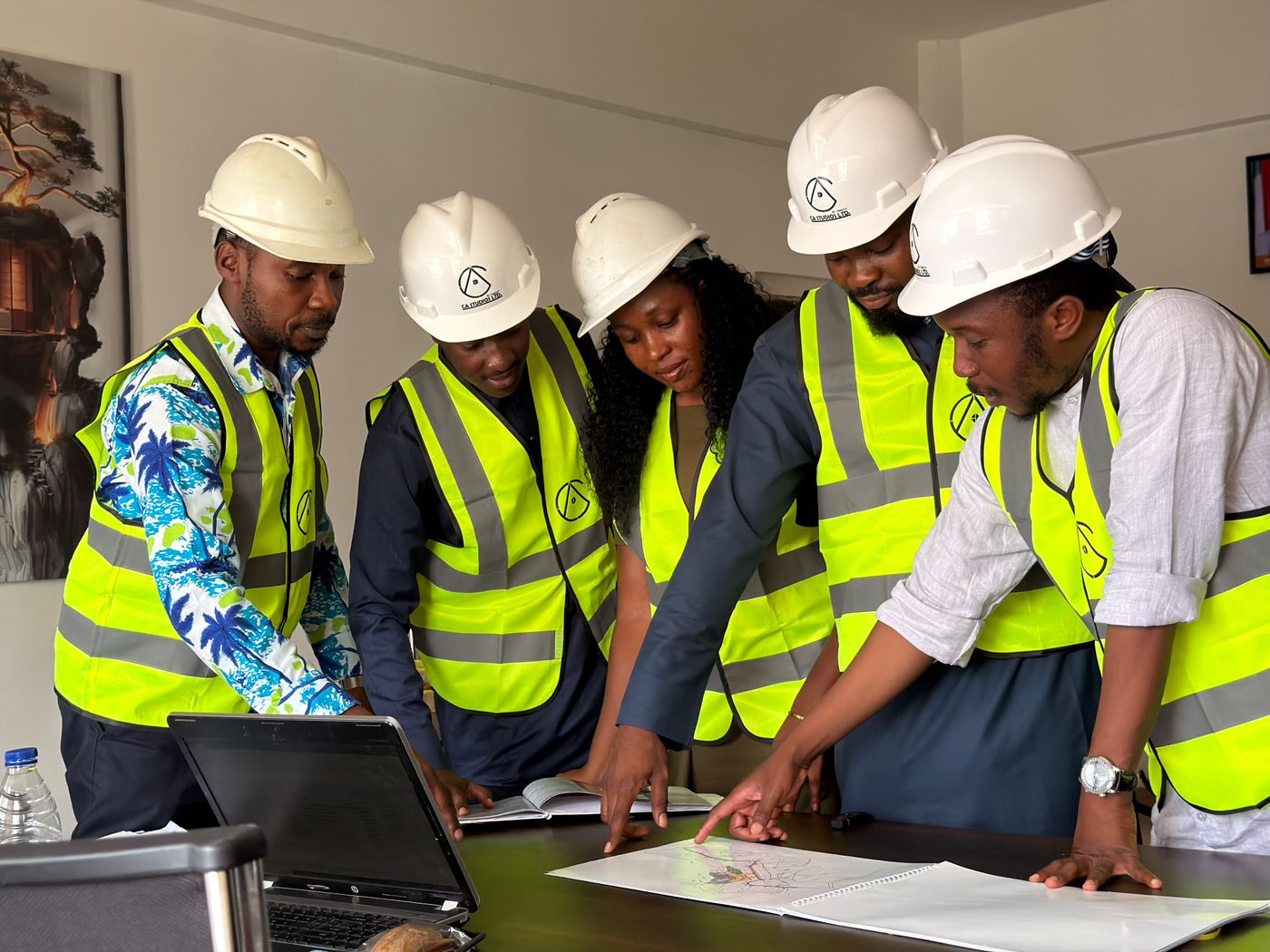
Create a simple interface register covering the provider, receiver, information or material exchanged, required standard, timing, failure response and decision owner. Review it with operations, engineering, technology, suppliers and risk teams—not only the project office.

High-risk interfaces deserve early prototypes and joint testing. This is especially important where connectivity interruptions, manual fallback, third-party logistics or fragmented data ownership can change how the system behaves.
Verify the whole operating system
Component testing asks whether each part works. Systems verification asks whether the combined operation delivers the required outcome across normal, peak and disrupted conditions. Test end-to-end scenarios, exception paths, recovery procedures and human decision points.
Evidence from process mining can reveal where digital hand-offs actually create queues or rework. Where the operating model itself is structurally misaligned, the answer may require business process re-engineering, not another technical patch.
Strong systems engineering turns interfaces from hidden project risk into managed operational design. The result is not simply a solution that launches, but a system that performs reliably throughout its lifecycle.